
Let’s be honest: camp breakfast is the best meal of the day. There’s something about cracking eggs over a cast iron skillet at sunrise, coffee percolating on the camp stove, the smell of woodsmoke and bacon drifting through the trees. It just hits different.
But camp breakfasts can also be a scrambled, undercooked disaster if you’re not prepared. Cold eggs, forgotten spatulas, forgotten eggs entirely — we’ve all been there.
This guide fixes that. We’ve broken down camp breakfast into three categories: make-ahead meals you prep at home, cast iron classics you cook at the site, and no-cook options for mornings when you just want to hit the trail. Whether you’re car camping with the family or base-camped after a long hike in, there’s something here for every campsite and every appetite.
🔥 Pro tip: The secret to great camp breakfasts is 80% prep, 20% campfire. The more you do at home, the more you enjoy out there.
Part 1: Make-Ahead Camp Breakfasts
Make-ahead breakfasts are the smartest move you can make. Prep them the night before at home, store in a zip-lock bag or container in your cooler, and you’ve got a hot, satisfying meal in minutes.
1. Overnight Oats Jars
The zero-effort camp breakfast. Layer rolled oats, milk or plant milk, a spoonful of nut butter, and your favorite toppings in a mason jar or sealable container. Refrigerate (or store in your cooler) overnight and eat cold straight from the jar — no stove required.
Works great with: berries, banana slices, honey, granola, coconut flakes.
Serves: 1 per jar | Prep time: 5 minutes | Cook time: None
2. Pre-Made Breakfast Burritos
These are the gold standard of make-ahead camp food. Scramble your eggs at home, add chorizo, cheese, and roasted peppers, roll into flour tortillas, and wrap individually in foil. Freeze them the night before your trip.
At camp: toss the foil-wrapped burritos directly on the grill grate or embers for 10–15 minutes, turning once. They reheat perfectly from frozen and feed a crowd.
Serves: Makes 6–8 | Prep time: 25 minutes at home | Reheat time: 12–15 minutes
3. Egg Muffins (Portable Frittatas)
Bake a batch of egg muffins before your trip: whisk eggs with cheese, diced veggies, and cooked sausage, pour into a greased muffin tin, and bake at 350°F for 18–20 minutes. They store well in a cooler for 3–4 days and reheat quickly in a pan or foil over the fire.
Serves: 12 muffins | Prep time: 15 minutes | Cook time: 20 minutes at home
🥪 Storage tip: Store burritos and egg muffins in a dedicated zip-lock labeled “Breakfast” at the top of your cooler so you’re not digging around at 7am.
Part 2: Cast Iron Classics
There’s no substitute for cooking breakfast over a real fire in a cast iron skillet. The heat retention, the seasoning that builds over years of use, the way it sears and crisps — it’s the reason camp breakfasts taste better than the ones at home.
4. Classic Camp Skillet Hash
This is the workhorse. Dice potatoes and cook them in a cast iron skillet with oil over medium-high heat until crispy (about 15 minutes). Add diced onion, bell pepper, and your protein of choice — leftover sausage, bacon, or even canned corned beef. Top with fried eggs and hot sauce.
Serves: 4 | Cook time: 20–25 minutes | Equipment: 10–12” cast iron skillet
5. Campfire French Toast
Cut thick slices of brioche or challah. Mix eggs, a splash of milk, cinnamon, and vanilla in a shallow bowl. Dip bread slices and cook in a buttered cast iron pan over medium heat until golden, about 3–4 minutes per side. Top with maple syrup, powdered sugar, or fresh berries.
Already featured on the site — pair this post with your existing Cinnamon French Toast recipe as an internal link.
Serves: 4 | Cook time: 15 minutes
6. One-Pan Shakshuka
Shakshuka is one of the most impressive camp breakfasts you can pull off. Sauté diced onion and garlic in olive oil, add a can of crushed tomatoes (prep your spices — cumin, paprika, cayenne — in a zip-lock at home), simmer for 5 minutes, then crack eggs directly into the sauce. Cover and cook until whites are set. Serve with crusty bread.
Serves: 4 | Cook time: 20 minutes | Equipment: 10–12” cast iron skillet with lid
🍳 Cast iron recommendation: A 10-inch or 12-inch Lodge cast iron skillet is the single best investment for camp cooking. It doubles as your dinner pan, handles direct flame, and gets better with every use.
Part 3: No-Cook Breakfasts for Backcountry Mornings
Sometimes you’re breaking camp at 5:30am or the weather’s miserable and you just want calories and trail. These no-cook options are fast, lightweight, and genuinely satisfying.
7. Peanut Butter Energy Bars (Homemade)
Mix rolled oats, peanut butter, honey, chocolate chips, and a pinch of salt. Press into a baking dish lined with parchment, refrigerate until firm, and cut into bars. Pack in individual zip-lock bags. These keep well for 4–5 days in a cooler.
8. Nut Butter and Tortilla Roll-Ups
Spread almond or peanut butter on a flour tortilla, top with sliced banana or a drizzle of honey, roll it up. It’s genuinely great, requires zero cooking, and packs in your day bag. Eat it while you’re packing up camp.
9. Trail Mix Yogurt Bowls
Bring individual Greek yogurt cups (they keep well in a cooler for 3–4 days). At camp, top with granola, trail mix, dried fruit, and a drizzle of honey. No stove, no dishes beyond a spoon.
10. Pre-Portioned Muesli
Combine rolled oats, dried fruit, nuts, seeds, and a little brown sugar in zip-lock bags at home. At camp, add cold water or milk from your cooler, stir, and eat. The oats soften in 5 minutes. Lightweight, zero-waste, and endlessly customizable.
Camp Breakfast Essentials: What to Pack
Even the best breakfast plan falls apart without the right gear. Here’s the short list of what we actually use:
- A good cast iron skillet — Lodge 10-inch or 12-inch. Non-negotiable for serious camp cooking.
- A camp stove — for when fire isn’t an option or you want precise heat control.
- A spatula and tongs — long-handled for working over a fire safely.
- A lid for your skillet — speeds up egg cooking dramatically.
- A good cooler — keeps your eggs, dairy, and make-ahead meals safe.
- Zip-lock bags in multiple sizes — for prepped ingredients, spice kits, and waste-free storage.
- A French press or percolator — because camp coffee matters. See our full camp coffee guide.
Quick-Reference: Camp Breakfast by Trip Type
| Trip Type | Best Breakfast Style | Top Pick |
|---|---|---|
| Car camping (family) | Cast iron classics | Camp skillet hash |
| Weekend car camping | Make-ahead + cast iron mix | Breakfast burritos + shakshuka |
| Backpacking | No-cook or ultralight | Pre-portioned muesli |
| Glamping / base camp | Full cast iron spread | Shakshuka + French toast |
Final Thoughts
Great camp breakfasts don’t happen by accident — they happen because someone spent 20 minutes the night before getting organized. Prep your ingredients at home, invest in a good cast iron skillet, and make coffee a priority. The rest takes care of itself.
Which one of these are you trying on your next trip? Drop a comment below — we’d love to hear what’s worked for your crew.
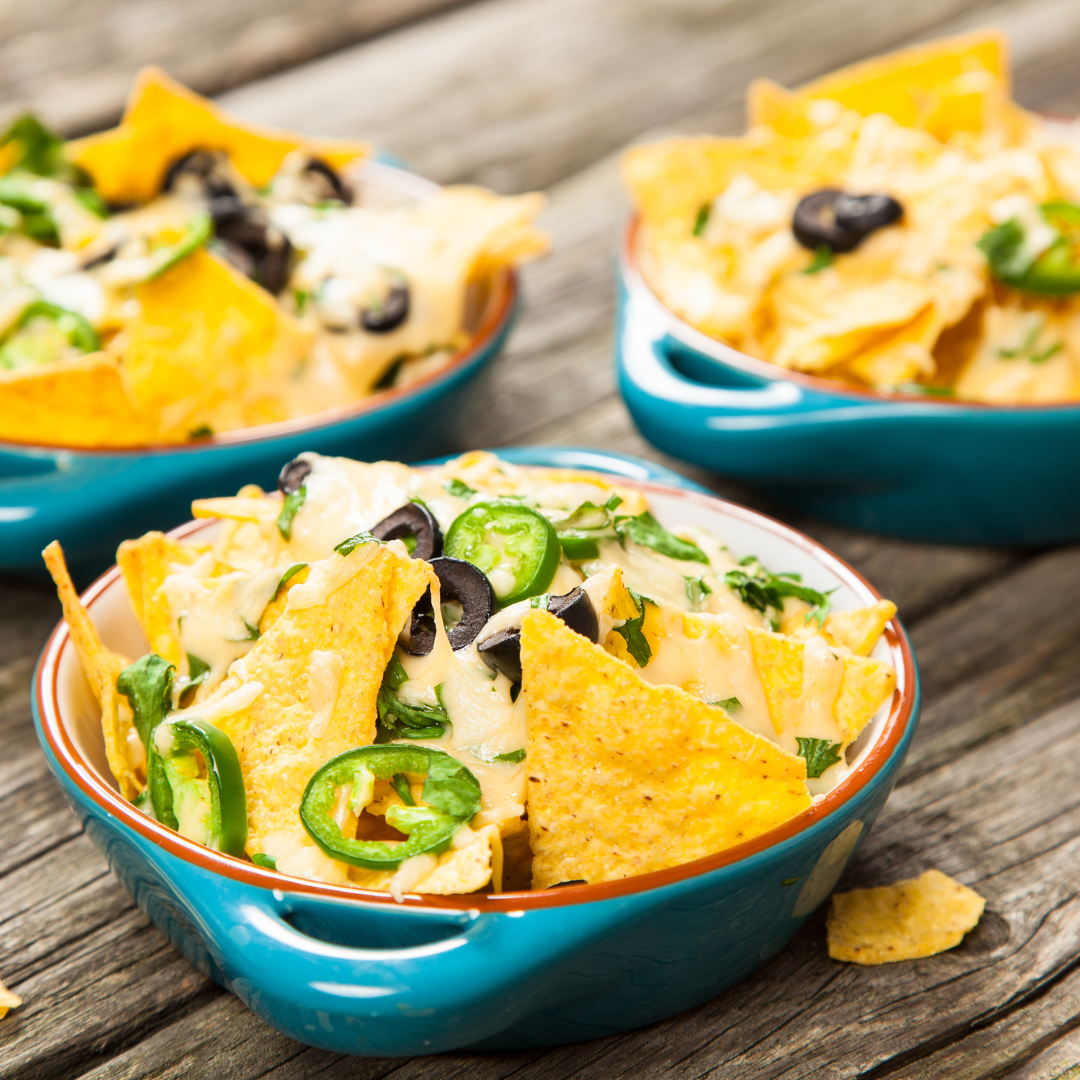
Related posts: Camp Nachos – Dutch Oven Style | The Ultimate Guide to Outdoor Cooking Tools | Delicious Campfire Snacks
Affiliate note: This post contains affiliate links. If you purchase through our links, we earn a small commission at no extra cost to you. We only recommend gear we’d actually use at camp.